Palm Sunday Explained: Start of Holy Week and Its Deep Meaning
As the vibrant hues of spring begin to blossom, a deeply significant time in the Christian calendar emerges: Palm Sunday. Known in Spanish as Domingo de Ramos, this sacred day marks the official commencement of Holy Week, leading us on a profound spiritual journey towards Easter. For millions worldwide, understanding the Domingo De Ramos significado is essential to grasping the full narrative of Jesus Christ's final days, from triumph to sacrifice and ultimately, resurrection.
Palm Sunday commemorates Jesus's triumphant entry into Jerusalem, a moment steeped in both public acclaim and poignant foreknowledge of the suffering to come. It’s a day of stark contrasts, where joyous acclamations of "Hosanna!" echo alongside the silent promise of impending sacrifice. This duality is central to its profound meaning, inviting believers to reflect on the nature of divine victory and the path of humility.
The Triumphal Entry: A Dual Celebration
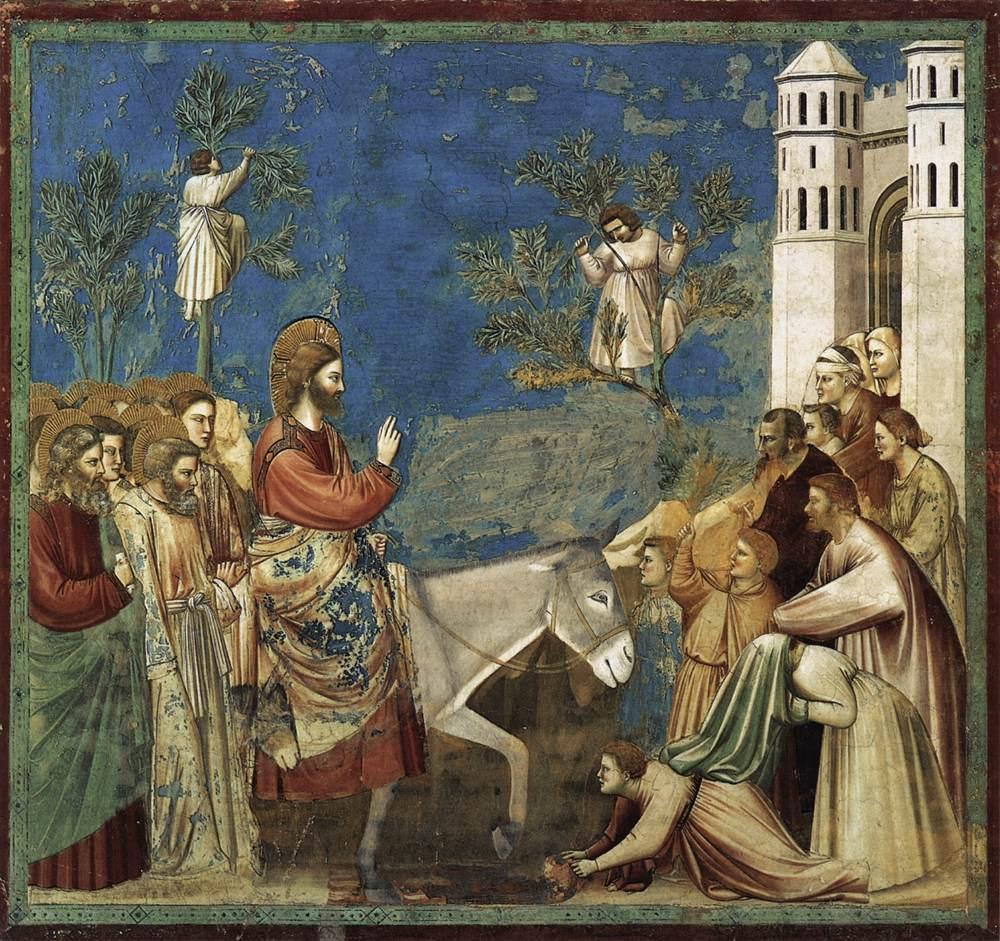
Imagine the scene: Jesus, riding not on a warhorse as an earthly king might, but humbly upon a young donkey, fulfilling ancient prophecy. The crowds, filled with expectation, lined the streets, waving palm branches and laying their cloaks before him. Their shouts of "Hosanna to the Son of David! Blessed is he who comes in the name of the Lord!" were declarations of joy and recognition, hailing him as a deliverer.
Yet, amidst this jubilant reception, Jesus carried the knowledge of his true mission – not to establish an earthly kingdom, but to offer himself as the ultimate sacrifice. This profound awareness imbues the entire event with a bittersweet quality, setting the stage for the dramatic events of Holy Week. Palm Sunday, therefore, is not merely a historical reenactment; it is an invitation to walk with Jesus, recognizing both his divine authority and his human vulnerability. It’s a moment to pause and reflect on the crowd's initial fervor compared to the later cries for crucifixion, highlighting the fickle nature of human praise and the steadfastness of divine love.
Symbolism of the Palms and Olive Branches: Decoding the Domingo De Ramos Significado
At the heart of Palm Sunday's observance are the blessed palms, and in some traditions, olive branches. These aren't just decorative elements; they are powerful symbols, each carrying layers of meaning that enrich the Domingo De Ramos significado. The palms, in particular, represent victory – a victory of good over evil, of light over darkness, and ultimately, of life over death. They are a tangible reminder that Jesus conquers death, fulfilling the promise of eternal life for those who believe.
Many faithful meticulously craft these palms into intricate shapes, often weaving them into crosses or more elaborate designs. In some regions, the weaving might include references to specific spiritual concepts, such as "seven calvarios" (seven sorrows), adding another layer of devotional meaning to the physical object. This act of creation itself becomes a meditative practice, deepening one's connection to the narrative.
Alongside palms, olive branches often feature prominently. Olives hold deep biblical significance, representing peace, divine anointing, and prayer. The Mount of Olives, a recurring location in the Bible, was a place of teaching, prayer, and ultimately, where Jesus was arrested. Incorporating olive branches, sometimes adorned with aromatic herbs like rosemary, chamomile, or cedron, serves as a reminder of Jesus's time of fervent prayer and anguish, as well as the healing and peace he offers. These "medicinal plants" are blessed, symbolizing holistic well-being and God's provision for both body and spirit. To delve deeper into the intricate meanings behind these sacred elements, you might find our article Decoding Palm Sunday: The Symbolism Behind Blessed Palms particularly insightful.
The Liturgy: Reliving the Sacred Narrative
The Catholic Mass on Palm Sunday is unique, starting with a procession of palms before delving into the Passion narrative itself. This structured liturgy serves as a powerful microcosm of Holy Week. As the congregation raises their palms and proclaims "Hosanna!", they are not just recalling a historical event; they are actively participating in a living tradition, echoing the cries of the ancient crowds while simultaneously anticipating the solemnity of the days to follow.
The liturgy's genius lies in its ability to synthesize the entire Paschal Mystery within each Mass. Consider the profound connection: the very words "Hosanna to the Son of David, blessed is he who comes in the name of the Lord" are repeated just before the consecration, linking the triumphal entry directly to Jesus's ultimate sacrifice on the altar. The breaking of the bread and sharing of the wine during the Eucharist serve as a stark reminder of Jesus's body broken and blood shed. It’s a fulfillment of the biblical principle: "unless a grain of wheat falls to the ground and dies, it remains only a single seed; but if it dies, it produces many seeds." (John 12:24). This sacred meal becomes an intimate encounter with the resurrected Christ, binding past, present, and future into a single, transformative experience.
The readings on Palm Sunday, shifting from the joyous entry to the lengthy Passion narrative, compel us to confront the full spectrum of human emotion and divine love. It encourages profound reflection on Jesus's willingness to embrace suffering for humanity's salvation, challenging us to contemplate our own role in this ongoing spiritual battle between life and death, light and darkness. Every act of mercy, every gesture of charity, aligns us with Christ's ultimate act of love.
Keeping the Tradition Alive: From Blessing to Ashes
For many, the blessed palms from Palm Sunday are not simply discarded; they are cherished and kept throughout the year, embodying a living tradition and constant reminder of faith. It's common practice to place them in significant locations within the home, most frequently behind the front door, symbolizing a household blessed and protected by Christ's victory. This isn't just superstition; it's a tangible expression of faith, a daily visual cue to remember the ongoing struggle between good and evil, and our commitment to stand on the side of Christ.
These preserved palms complete their spiritual journey a year later, as they are traditionally burned to create the ashes used on Ash Wednesday, which marks the beginning of Lent in the following year. This full-circle ritual beautifully underscores the cyclical nature of faith: from the triumph of Palm Sunday, through the introspection of Lent, to the joyous celebration of Easter. The ashes remind us of our mortality and call us to repentance, a humbling conclusion to the year-long journey of the blessed palm. For more on the cyclical journey of these sacred items and other customs, explore Domingo de Ramos Traditions: From Entry to Ash Wednesday Rituals.
Practical tips for families: Encourage children to help place the palms, explaining their meaning. Use the palm as a prompt for prayer throughout the year, asking for protection and strength against challenges. When the time comes, participate in the burning of the old palms, teaching about the cycle of repentance and renewal.
Conclusion
Palm Sunday, or Domingo de Ramos, is far more than just the start of Holy Week; it is a profound entry point into the deepest mysteries of Christian faith. It invites us to witness the dual nature of Christ’s mission—his public recognition as king and his private resolve to endure suffering for the salvation of all. The waving palms, the humble donkey, the shouts of "Hosanna," and the solemn reading of the Passion narrative all coalesce to offer a rich tapestry of meaning. By embracing the traditions and reflecting on the profound Domingo De Ramos significado, we embark on a spiritual pilgrimage that challenges our hearts, strengthens our faith, and prepares us to fully experience the redemptive power of Easter.