Domingo de Ramos Traditions: From Entry to Ash Wednesday Rituals
As the vibrant colors of spring emerge, so too does a profound spiritual season for millions worldwide: Holy Week. At its very threshold lies Palm Sunday Explained: Start of Holy Week and Its Deep Meaning, known in Spanish as Domingo de Ramos. This pivotal day is far more than just a ceremony; it's a rich tapestry of anticipation, paradox, and deep spiritual significance. Understanding the true Domingo de Ramos significado involves journeying from the joyous, yet bittersweet, entry of Jesus into Jerusalem to the solemn rituals that culminate in the ashes of the following year's Ash Wednesday.
Domingo de Ramos invites us to walk alongside Jesus, not just in memory, but in a living tradition that connects generations. It’s a day brimming with powerful symbols, from the humble donkey to the blessed palms that become enduring reminders of faith, struggle, and eventual triumph. Let's delve into the layers of tradition, meaning, and ritual that make this day so central to Christian faith.
The Triumphal Entry: A Day of Profound Contrasts
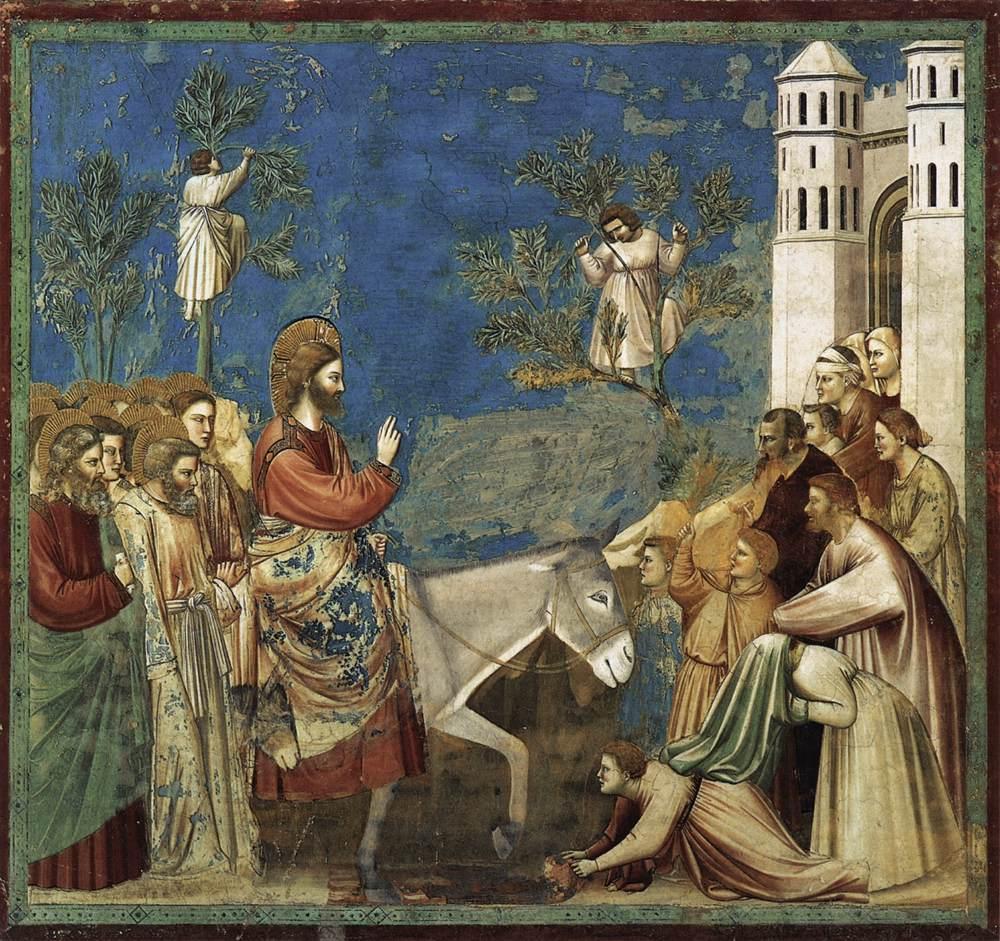
The core of Domingo de Ramos commemorates Jesus' triumphal entry into Jerusalem, an event vividly described in the Gospels. Picture the scene: Jesus, not on a warhorse befitting a conquering king, but humbly seated upon a young donkey, fulfilling ancient prophecy. Crowds thronged the streets, spreading cloaks and waving palm branches, crying out with fervent devotion: "Hosanna! Blessed is he who comes in the name of the Lord! Blessed is the king of Israel!" This exuberant greeting, full of hope and expectation, sets a powerful tone for the start of Holy Week.
Yet, underlying this joyous celebration is a profound paradox. While the crowds cheered for a political savior, Jesus knew His path led not to an earthly throne, but to the cross. He entered Jerusalem with full awareness of the sacrifice He was about to make, transforming this "triumphal entry" into a prelude to ultimate humility and suffering. The Domingo de Ramos significado, therefore, is inherently dual: it's a celebration of kingship intertwined with the solemn acceptance of divine destiny. The very same "Hosanna" cried out in adoration would later echo in the liturgy, reminding us that every Mass revives the passion, death, and resurrection of our Lord, bringing us face-to-face with that ultimate sacrifice.
The Enduring Symbolism of the Blessed Palms
Perhaps the most recognizable and beloved tradition of Domingo de Ramos centers around the palms themselves. These aren't merely decorative items; they are potent symbols imbued with centuries of spiritual meaning, acting as tangible links to the events of that first Palm Sunday.
Weaving Tradition: Crafting the "Ramitos"
Across many Latin American and Spanish communities, the blessed palms take on a beautiful, intricate form known as "ramitos" (small branches or bouquets). Far from simple fronds, these are often meticulously woven into various designs. As one vendor beautifully explained, the tenderest parts of the palm plant are carefully cut and then intricately woven in a zig-zag pattern, often creating delicate flower-like shapes. Some artisans even craft seven segments, a deeply symbolic number referencing the "seven calvarios" or seven sorrows, connecting the initial joy to the eventual suffering Jesus endured.
Beyond palm fronds, it's also common to see branches of olive trees, which carry their own rich biblical weight. The Mount of Olives, after all, was a place of profound significance in Jesus' life: a place of prayer, teaching, and eventually, His arrest and ascension. These olive branches are frequently adorned with aromatic and medicinal plants like rosemary, chamomile, and cedrón. These additions are not just for scent; they are believed to enhance the blessings received on this special day, connecting the spiritual with the earthly healing properties of nature.
For families, crafting these ramitos can be a meaningful pre-Sunday activity, involving children in the preparation and teaching them about the symbols they are creating. If not made at home, they are readily available outside churches, often sold by local artisans who carry on these cherished traditions.
More Than Decoration: The Deep Domingo de Ramos Significado
Once blessed by the priest during the Palm Sunday Mass, these palms transcend their botanical origin. They become powerful symbols of the victory of good over evil, and more specifically, of Jesus' ultimate triumph over death. Holding these palms, we participate not just in a historical reenactment, but in a living testament to faith.
The tradition doesn't end after the Mass. These blessed palms are typically taken home and reverently placed in a prominent spot, most commonly behind the main door of the house. This practice is not mere superstition; it serves as a constant, year-long reminder of the continuous struggle between life and death, light and darkness. It symbolizes Christ's presence protecting the home and reminding its inhabitants of their commitment to Him. Each time we see the palm, we are called to remember our part in this ongoing spiritual battle, encouraging us to act with mercy and charity, aligning ourselves with the resurrected Christ.
To delve deeper into the layers of meaning behind these sacred symbols, explore Decoding Palm Sunday: The Symbolism Behind Blessed Palms.
The Liturgical Journey: From Palm Sunday to Ash Wednesday
The beauty of the Christian liturgical calendar lies in its interconnectedness, creating a narrative that unfolds throughout the year. Domingo de Ramos is a profound starting point, setting in motion a spiritual journey that truly comes full circle.
The Liturgy as a Continuous Narrative
The Catholic Church teaches that in every Mass, we revivify the Paschal Mystery – the passion, death, and resurrection of Jesus. The Palm Sunday liturgy beautifully encapsulates this. The triumphant procession with palms, followed by the reading of the Passion narrative, immediately transports us from joyous celebration to solemn contemplation. Furthermore, the words "Hosanna al Hijo de David, bendito el que viene en el nombre del Señor" are echoed in the Sanctus prayer just before the consecration of the Eucharist, powerfully linking Jesus' entry into Jerusalem with His ultimate sacrifice on the altar.
The Eucharist itself becomes a poignant reminder of the Domingo de Ramos significado. The breaking of bread and sharing of wine recall Jesus' words about the grain of wheat that must die to bear much fruit, a direct reference to His impending death and resurrection. As we receive communion, it's an intimate encounter with the resurrected Christ, connecting His historical journey with our present spiritual reality. Throughout Holy Week, we are invited to contemplate the cross and all the sacred signs used in the liturgy, each deepening our understanding of this central mystery of faith.
The Cycle's Completion: From Palms to Ashes
The life cycle of the blessed palm offers one of the most compelling examples of spiritual continuity in the Catholic tradition. After being kept for a year, typically behind the door, these revered palms are not simply discarded. Instead, they are carefully gathered and brought back to the church.
On Ash Wednesday of the following year, these dried palms are burned. The ashes resulting from this sacred fire are then collected and used during the Ash Wednesday ceremony, where they are applied to the foreheads of the faithful. This ritual marks the beginning of Lent, a period of penance and reflection, preparing for the next Holy Week.
This full cycle—from the joyous waving of palms on Domingo de Ramos to their transformation into ashes on Ash Wednesday—is incredibly profound. It serves as a powerful reminder of life's impermanence ("from dust you came and to dust you shall return"), but also of constant renewal and the promise of resurrection. It beautifully symbolizes the journey of faith: from celebrating Jesus' entry, through His sacrifice, to our own call to repentance and renewal, all grounded in the enduring hope of His triumph over death.
Personal Reflection and Modern Relevance
In our fast-paced contemporary world, the traditions of Domingo de Ramos offer a powerful anchor. They invite us to pause, reflect, and engage deeply with our faith. Beyond attending Mass and receiving blessed palms, there are many ways to embrace the full Domingo de Ramos significado:
- Family Engagement: Involve children in the preparation of ramitos, explaining the symbolism as you craft them. This fosters a deeper understanding and connection to the tradition.
- Mindful Display: When placing your blessed palm behind the door, take a moment to reflect on its meaning. Let it be a daily prompt for acts of mercy, charity, and kindness within your home and community.
- Active Participation: Beyond the initial procession, truly listen to the Passion narrative during Mass. Allow yourself to experience the range of emotions it evokes, from the crowd's initial fervor to the solemnity of Jesus' sacrifice.
- Reflection on the Cycle: As Ash Wednesday approaches, consciously reflect on the journey of your palm. Consider what spiritual growth you've experienced over the year and what new intentions you wish to set for Lent.
Domingo de Ramos calls us to live out the values that the palms represent: hope, victory over darkness, and a steadfast commitment to Christ. It’s a call to actively participate in the ongoing story of salvation, not just as observers, but as integral parts of the body of Christ.
Conclusion
Domingo de Ramos is a magnificent and multifaceted beginning to Holy Week, rich in tradition and deep in its Domingo de Ramos significado. It transports us from the exultant cries of "Hosanna" in Jerusalem to the quiet solemnity of a home, where a blessed palm silently guards the threshold. This sacred day serves as a powerful reminder of Jesus' willing sacrifice, His ultimate victory, and our continuous journey of faith. As we wave our palms and journey through Holy Week, we are invited to embrace the profound meaning of this time, allowing the ancient rituals to inspire our modern lives and guide us towards a deeper connection with the Paschal Mystery.