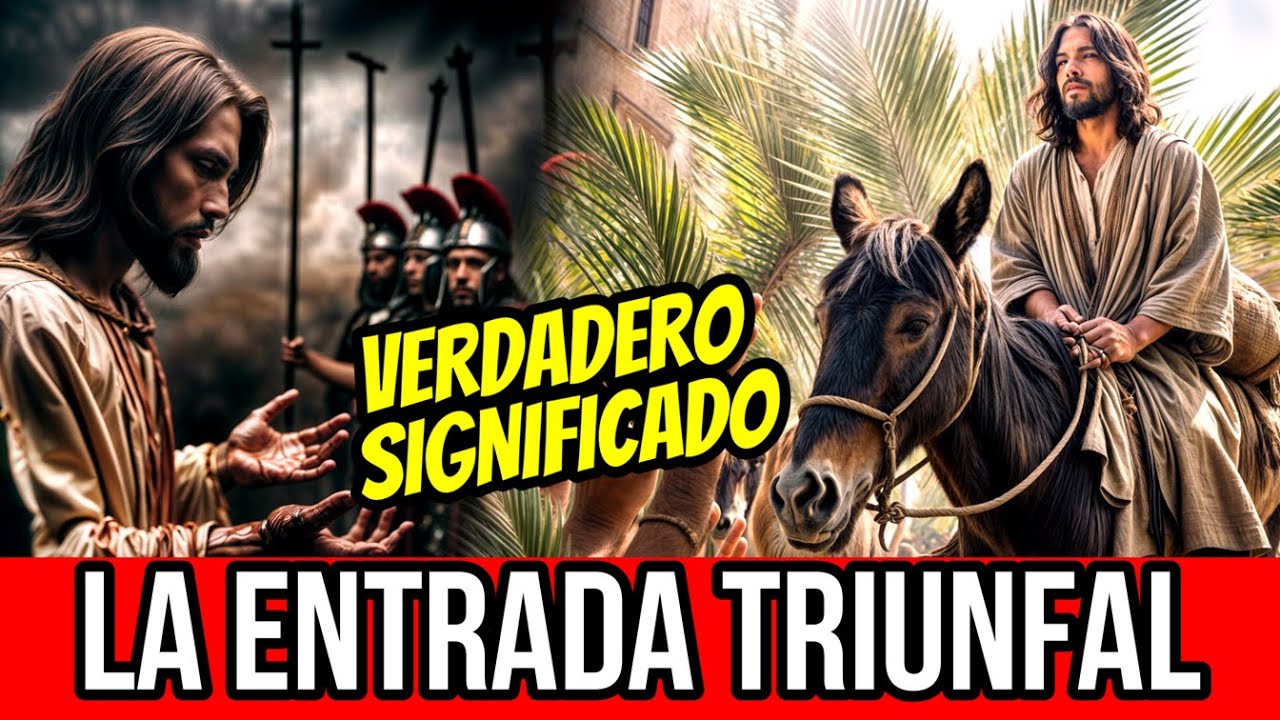
Palm Sunday, known in Spanish as Domingo de Ramos, marks the vibrant and poignant beginning of Holy Week, setting the stage for the most sacred period in the Christian calendar. It’s a day brimming with multifaceted symbolism, a delicate balance between exuberant joy and profound solemnity. Understanding the Domingo de Ramos significado — its deep meaning and historical roots — helps us appreciate the richness of this powerful celebration and the spiritual journey it initiates.
From the triumphant entry of Jesus into Jerusalem to the blessing of the humble palms and olive branches, every element of Palm Sunday carries layers of meaning. It's a day that invites us to walk alongside Christ, celebrating His kingship while contemplating the ultimate sacrifice He was destined to make. The blessed palms, often woven into intricate designs, are not merely decorative; they are tangible reminders of victory, struggle, and enduring faith, treasured throughout the year in countless homes around the world.
The Triumphal Entry: A Day of Joy and Foreshadowing
The core of Palm Sunday commemorates Jesus' triumphant entry into Jerusalem, an event vividly described in all four Gospels. As Jesus rode into the city on a humble donkey, crowds gathered, laying cloaks and branches on His path. They hailed Him with shouts of "Hosanna to the Son of David! Blessed is he who comes in the name of the Lord! Hosanna in the highest!" This jubilant acclamation recognized Jesus as the Messiah, fulfilling ancient prophecies and igniting hopes of a new kingdom. The branches waved by the crowd, particularly palm fronds, symbolized victory, peace, and salvation – a royal welcome for their long-awaited king.
However, beneath this wave of adulation lay a profound and somber truth known only to Jesus. While the crowds rejoiced, unaware of the week that lay ahead, Jesus rode towards His ultimate destiny: His Passion, Death, and Resurrection. This dual nature – triumphant joy intertwined with the foreshadowing of suffering – is central to the Domingo de Ramos significado. It reminds us that even in moments of glory, Jesus remained steadfast in His mission, embracing both the cheers of the crowd and the coming agony of the cross. This initial procession into Jerusalem, therefore, is not just a historical re-enactment; it is an invitation for us to enter Holy Week with hearts attuned to both the celebration of Christ's sovereignty and the contemplation of His sacrificial love.
The Profound Domingo De Ramos Significado: Victory and Sacrifice
At the heart of Palm Sunday lies a symbolism that transcends the historical event, offering a timeless spiritual message. The blessed palms themselves are potent emblems. They represent the victory of good over evil, the triumph of light over darkness, and, most significantly, Jesus' ultimate conquest over death. When the crowds waved these palms, they were instinctively acknowledging a spiritual victory, even if they didn't fully grasp its eternal implications. For us, these palms are a powerful reminder that Jesus has overcome the greatest adversary, paving the way for eternal life.
The Church's liturgy throughout Holy Week, beginning with Palm Sunday, masterfully synthesizes the entire Paschal Mystery. Just as the "Hosanna" is proclaimed before the Eucharistic sacrifice in every Mass, connecting us to Christ's entry, so too does the breaking of bread and sharing of wine remind us that "if a grain of wheat does not die, it remains alone; but if it dies, it produces much fruit." (John 12:24). This profound truth underscores the Domingo de Ramos significado: Jesus' willingness to offer His life ensures our spiritual fruitfulness. It's a testament to the fact that His sacrifice wasn't merely an ending, but a new beginning – an intimate encounter with the Risen Christ in communion. This understanding calls us to participate actively in the spiritual struggle that the palms symbolize – the constant battle between life and death, light and darkness – doing our part through acts of mercy and charity, aligning ourselves with Christ, who died and rose again.
Crafting Tradition: The Significado Behind Blessed Palms and Olive Branches
Beyond the liturgical ceremonies, traditional practices surrounding Palm Sunday add another layer to its rich meaning. In many cultures, particularly in Hispanic traditions, the creation of the "ramito" (small branch) is an art form steeped in devotion. Skilled hands weave the tender, inner leaves of the palm plant into intricate designs, often forming zigzags, crosses, or even seven-fold patterns, with some believing the "seven calvaries" reference the stages of Christ’s suffering. This meticulous craftsmanship is a testament to the reverence felt for these blessed objects.
Alongside the palms, olive branches often play a significant role, especially in regions where olive trees are abundant. The olive branch holds its own unique Domingo de Ramos significado. It harkens back to the Mount of Olives, a sacred place frequently mentioned in the Bible as a location of prayer, teaching, and eventually, Jesus' arrest and ascension. Often, these olive branches are adorned with aromatic medicinal plants like rosemary, chamomile, or cedron, intended to be blessed along with the palms. These fragrant additions symbolize healing, protection, and a deeper connection to nature's blessings, all sanctified through the sacred ritual. The very act of preparing these ramitos and branches, whether bought or self-crafted, becomes a personal expression of faith, connecting individuals directly to the ancient traditions of this holy day. To learn more about how these traditions evolve throughout Holy Week, you might find Domingo de Ramos Traditions: From Entry to Ash Wednesday Rituals particularly insightful.
Beyond the Celebration: Living the Domingo De Ramos Significado All Year
The blessing of the palms on Palm Sunday isn't just for a single day's celebration; it initiates a tradition that often extends throughout the entire year. It is a widespread custom for families to take their blessed palms and place them in a prominent spot in their homes, frequently behind a door or near a crucifix. This practice isn't merely superstitious; it serves as a tangible, constant reminder of the profound Domingo de Ramos significado. Every time one passes by the palm, it silently reiterates the victory of good over evil, Jesus' triumph over death, and the ongoing spiritual battle in our daily lives.
This enduring presence of the blessed palm encourages a continuous reflection on our faith and commitment. It prompts us to remember our part in Christ's journey – to live out acts of mercy and charity, and to choose light over darkness, life over spiritual death. More than just a memento, it becomes a silent guardian, a symbol of protection and a constant call to align our actions with the values of Christ crucified and resurrected.
The cycle of the blessed palm culminates on Ash Wednesday of the following year. Traditionally, these year-old palms are brought back to the church, where they are reverently burned. The ashes from these burnt palms are then used to mark the foreheads of the faithful, initiating the penitential season of Lent. This completes a powerful annual ritual, linking the joyful entry of Palm Sunday to the solemn beginning of Lent, reminding us of the transient nature of life, the importance of repentance, and the unending promise of resurrection. It's a beautiful, cyclical journey that underscores the depth of Christian faith and tradition.
Palm Sunday, or Domingo de Ramos, is far more than just the opening act of Holy Week. It's a day rich with symbolism, a vivid tapestry woven with threads of triumph, impending sacrifice, and enduring faith. From the joyful shouts of "Hosanna!" to the intricate weaving of blessed palms and olive branches, every element speaks to a profound spiritual truth. The palms, kept in homes throughout the year, serve as a continuous reminder of Jesus' victory over death and the constant call to live a life aligned with His teachings, culminating in the ashes of repentance. Embracing the full Domingo de Ramos significado invites us into a deeper understanding of Christ's journey and our own spiritual walk, encouraging us to reflect, participate, and ultimately, find hope in His sacrifice and resurrection. For a comprehensive overview of this pivotal day, explore Palm Sunday Explained: Start of Holy Week and Its Deep Meaning.